Quality & compliance

Quality you can check, claims you can repeat

Plain facts about how your pieces are made and checked — written so you can pass them on to your own customers without worry.

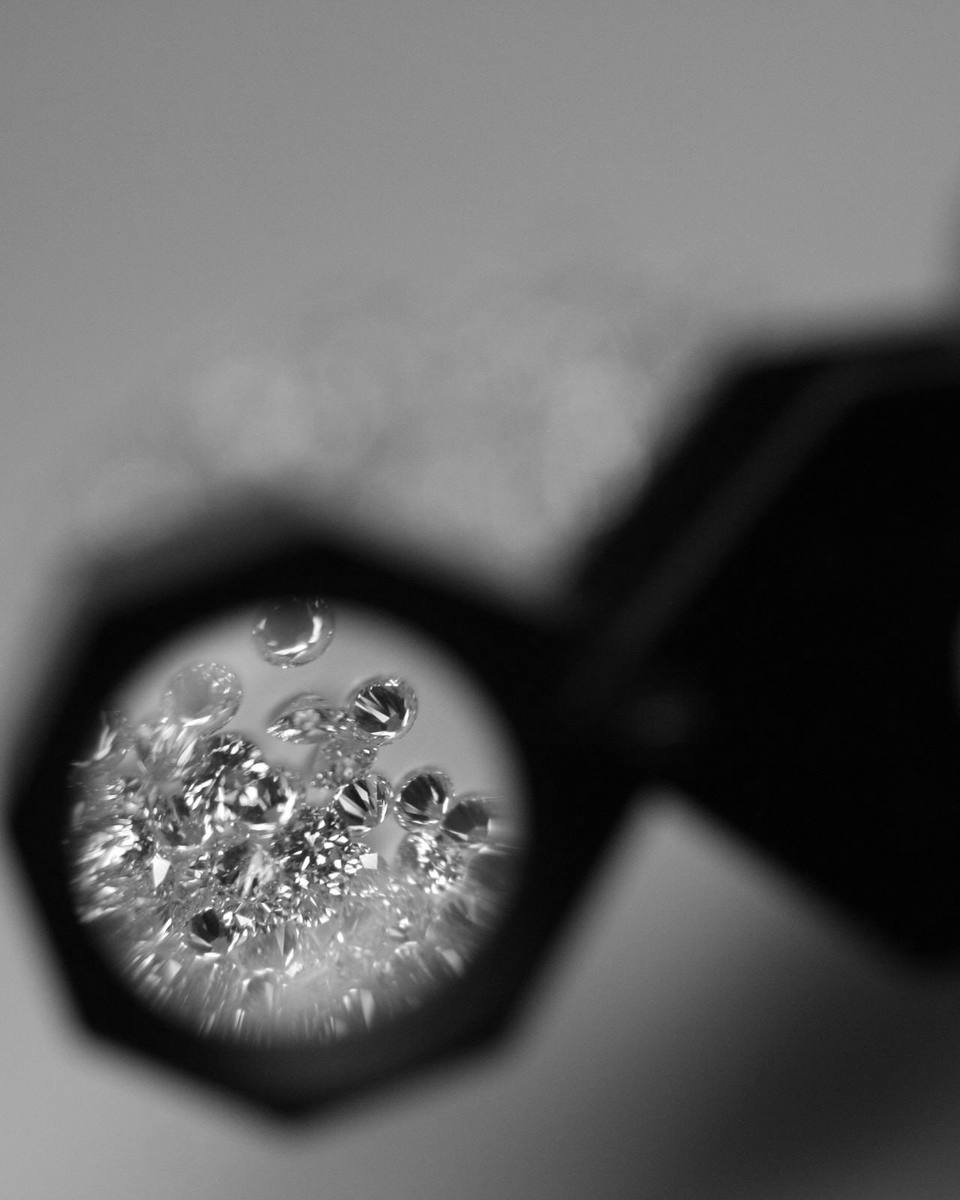
Inspecting small stones through a loupe

The metal

What “925” means

Sterling silver is 92.5% pure silver, alloyed with other metals — mainly copper — for strength. Pure silver alone is too soft to wear.

We only call a piece sterling silver when its silver parts are 925. Any part that is not silver, such as the steel spring inside a clasp, is listed on your quote so you can describe the product accurately.

Checks

What we check on every order

  • Castings: porosity, cracks and sharp edges
  • Stones: secure setting, alignment and colour, under magnification
  • Finish and plating: even colour and coverage on all visible surfaces
  • Stamps and engraving: legible, centred and the right size
  • Measurements and weight: against your approved sample
  • Count and packing: the right pieces, sizes and packaging in each box

Before shipping, we email you photos of the finished order.

Plating & tarnish

An honest word on tarnish

Sterling silver reacts with sulphur in the air and darkens over time — that is chemistry, not a defect. Rhodium plating helps slow tarnishing; plated silver can still tarnish, especially where plating wears. Simple care — dry storage, a soft cloth, no perfume or chlorine — keeps pieces bright. We can include care cards with your order.

Testing

Lab reports, when you need them

If your market or retailer asks for test reports — for example nickel release to EN 1811 for the EU, or lead and cadmium content — we can send samples from your order to an accredited third-party laboratory. Testing is charged at cost and adds a few days, so mention it when you ask for a quote.

Selling into regulated markets

Rules worth knowing

United States
A 925 or “sterling” quality mark must be accompanied by a registered (or applied-for) US trademark or the name of the company that applied it, in lettering at least as large — we stamp your mark beside the 925. California also limits lead in plating, solder and findings, not just in the silver itself.
European Union
REACH limits how much nickel may be released by jewelry worn in prolonged contact with skin, and sets lead and cadmium limits for every part of a piece. If you need proof, ask us to arrange testing.
United Kingdom
Silver items with a metal weight of 7.78 g or more must be hallmarked by a UK assay office before they are described or sold as silver in the UK. Tell us early — we can plan weights and leave room for the hallmark.
Children’s jewelry
Jewelry for children 12 and under has stricter rules — in the US, for example, third-party testing and a Children’s Product Certificate. Tell us at the quote stage if this applies.

General information, not legal advice. Your importer or a specialist can confirm what applies to your products.

What we don’t say

Claims you won’t find on this site

You won’t see “nickel-free”, “hypoallergenic” or “tarnish-free” here. They are absolute promises that no single test can back up, and repeating them can get a brand into trouble. We’d rather give you facts you can stand behind.

Tell us what you’d like to make.

Send a sketch, a photo or a few lines. We reply within one business day with questions or a quote.